Galveston Liquor Stores: Discover Your Favorite Moods and A Lot More
Unlocking the Mysteries of Distillery Processes: A Thorough Introduction
Within the realm of distillery procedures lie details that commonly remain veiled to the informal onlooker. From the meticulous art of mashing and fermentation to the alchemical makeovers that occur throughout distillation, each step holds its very own secrets waiting to be unraveled. As we venture into the midsts of spirit aging techniques and the precision of top quality control measures, a tapestry of scents and tastes emerges, shaped by classic traditions and innovative practices. Join us as we embark on a journey to debunk the enigmatic globe of distillation, where science satisfies artistry in an unified blend that astounds the senses.
The Art of Mashing and Fermentation
In the distillery process, the art of mashing and fermentation plays an important duty in transforming raw products into the first stages of alcohol production. Mashing entails the procedure of damaging down the starches in grains like rye, barley, or corn, right into fermentable sugars.
When the wort is produced, fermentation enters play. Yeast, an essential player in this phase, is contributed to the wort to kickstart the fermentation process. Yeast eats the sugars in the wort, producing alcohol and carbon dioxide as by-products. This transformative procedure commonly takes a number of days to complete, relying on the wanted alcohol material and flavor profile.
Mashing and fermentation are complex processes that establish the structure for the alcohol that will eventually be distilled and aged to produce a last item with distinct qualities and tastes.
Understanding the Distillation Process
One of the pivotal phases in the production of alcohol involves understanding the purification procedure. Purification is an approach made use of to different alcohol from the fermented liquid, normally through home heating and cooling down processes. Throughout distillation, the fermented fluid is warmed in a still, creating the alcohol to vaporize at a reduced temperature level than water as a result of its lower boiling point. The vapor is after that accumulated and cooled back right into liquid type, resulting in a more concentrated alcohol content.
/https://static.texastribune.org/media/images/2017/06/07/Brewery-Rich-12-TT-crop.jpg)
Understanding the purification process is important for distillers to manage the quality, toughness, and preference of the alcohol being generated. By mastering the art of distillation, distilleries can create a vast array of spirits with distinct attributes that appeal to various consumer choices.
Secrets of Spirit Aging Strategies
Exploring the complexities of spirit aging methods introduces the hidden virtuosity behind the advancement of nuanced tastes and fragrances in distilled beverages. The aging procedure is an important phase in the production of spirits, where the liquid communicates with the oak barrels, taking in compounds that improve its account over time. One of the secrets to effective aging exists in the selection of barrels. Distilleries usually make use of charred oak barrels, which present unique tastes to the spirit with a process of removal and oxidation. The period of aging is another crucial factor that distillers very carefully regulate to attain the desired taste profile. Longer aging durations often tend to cause smoother, extra intricate spirits, navigate here while much shorter durations might stress vibrant, vibrant qualities.
Additionally, the ecological conditions in which the barrels are saved play a significant duty fit the last product. Fluctuations in temperature level and moisture can affect the rate of aging and the communications in between the check this spirit and timber. Master distillers skillfully navigate these variables to craft spirits with distinctive individualities, symbolizing the culmination of cutting-edge techniques and classic practices.
Quality Control and Testing Techniques
The meticulous craftsmanship showed in choosing barrels and controlling aging periods in the spirits production procedure underscores the crucial importance of rigid quality assurance steps and specific testing approaches (Galveston Liquor). Quality control in distilleries involves numerous stages to make sure that each batch satisfies the preferred standards. From raw product evaluation to last product evaluation, each action is essential in maintaining consistency and excellence
One crucial aspect of quality assurance is sensory assessment, where qualified experts assess the scent, flavor, and overall top quality of the spirits. Chemical analysis methods such as gas chromatography and mass spectrometry are used to spot any type of pollutants or deviations from the preferred structure. In addition, physical examinations like thickness measurements and pH analysis give further insights into internet the item's characteristics.
To guarantee adherence to internal standards and regulatory needs, distilleries also conduct microbiological testing to look for any microbial contamination that could influence the product's safety and security and life span. By applying robust quality assurance and testing methods, distilleries can maintain their track record for creating premium spirits consistently.
Discovering Unique Flavor Mixtures
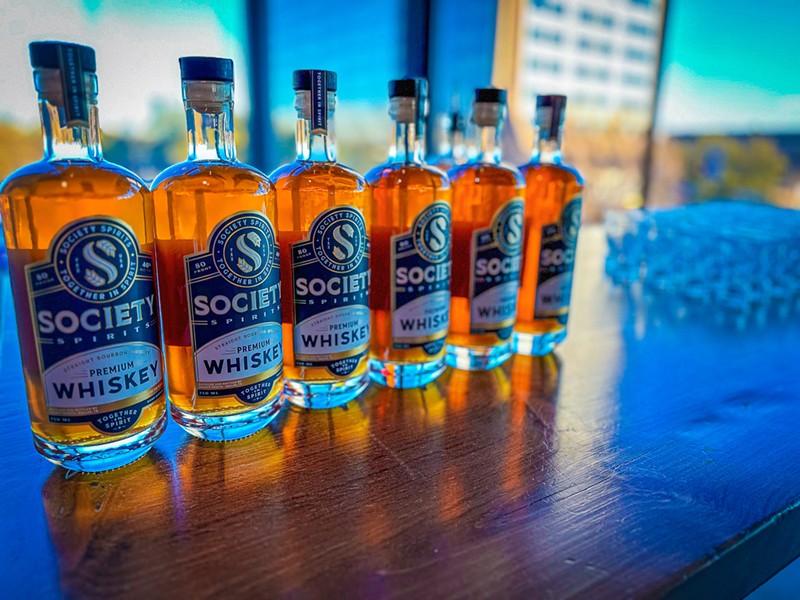
In the process of flavor infusion, the chosen botanicals are added to the base spirit and entrusted to emaciate or steep for a given period. This enables the alcohol to remove the tastes and necessary oils from the botanicals, leading to a harmonious blend of tastes (Galveston Whiskey). Distilleries may also employ strategies like vapor mixture or basket infusion during purification to give certain flavors to the spirit
Furthermore, some distilleries choose barrel aging or cask completing strategies to introduce additional complexity and deepness to their spirits with communications with the wood. These techniques add to the development of one-of-a-kind taste accounts that attract a discerning audience looking for novel and unforgettable drinking experiences.
Verdict
Recognizing the scientific research behind these processes is crucial for generating top notch spirits. By opening the secrets of distillation, distillers can create tasty and special spirits that appeal to a wide array of consumers.
As we venture right into the midsts of spirit aging strategies and the precision of high quality control actions, a tapestry of aromas and flavors emerges, shaped by time-honored traditions and innovative methods. Distilleries typically make use of charred oak barrels, which pass on distinct tastes to the spirit via a process of extraction and oxidation.Using a varied variety of botanicals and active ingredients, distilleries can craft unique flavor mixtures that establish their spirits apart in an affordable market. Galveston Liquor.In the process of flavor infusion, the picked botanicals are included to the base spirit and left to emaciate or high for a specific period. Distilleries may also employ techniques like vapor mixture or basket mixture throughout purification to give specific flavors to the spirit